
In the digital marketing landscape, Pay Per Click (PPC) advertising stands out as a powerful tool to drive traffic and generate leads. Mastering PPC requires strategic planning, ongoing optimization, and a keen understanding of your target audience.

Understanding the Basics of PPC
PPC is an online advertising model where advertisers pay a fee each time their ad is clicked. It’s a way of buying visits to your site, rather than attempting to earn those visits organically. The most popular PPC platform is Google Ads, but options like Bing Ads and social media platforms also offer avenues for PPC campaigns.
A successful PPC campaign revolves around selecting the right keywords, crafting compelling ad copy, and designing landing pages that convert. It’s about placing your ads in front of the right audience at the right time.
Keyword Research and Selection
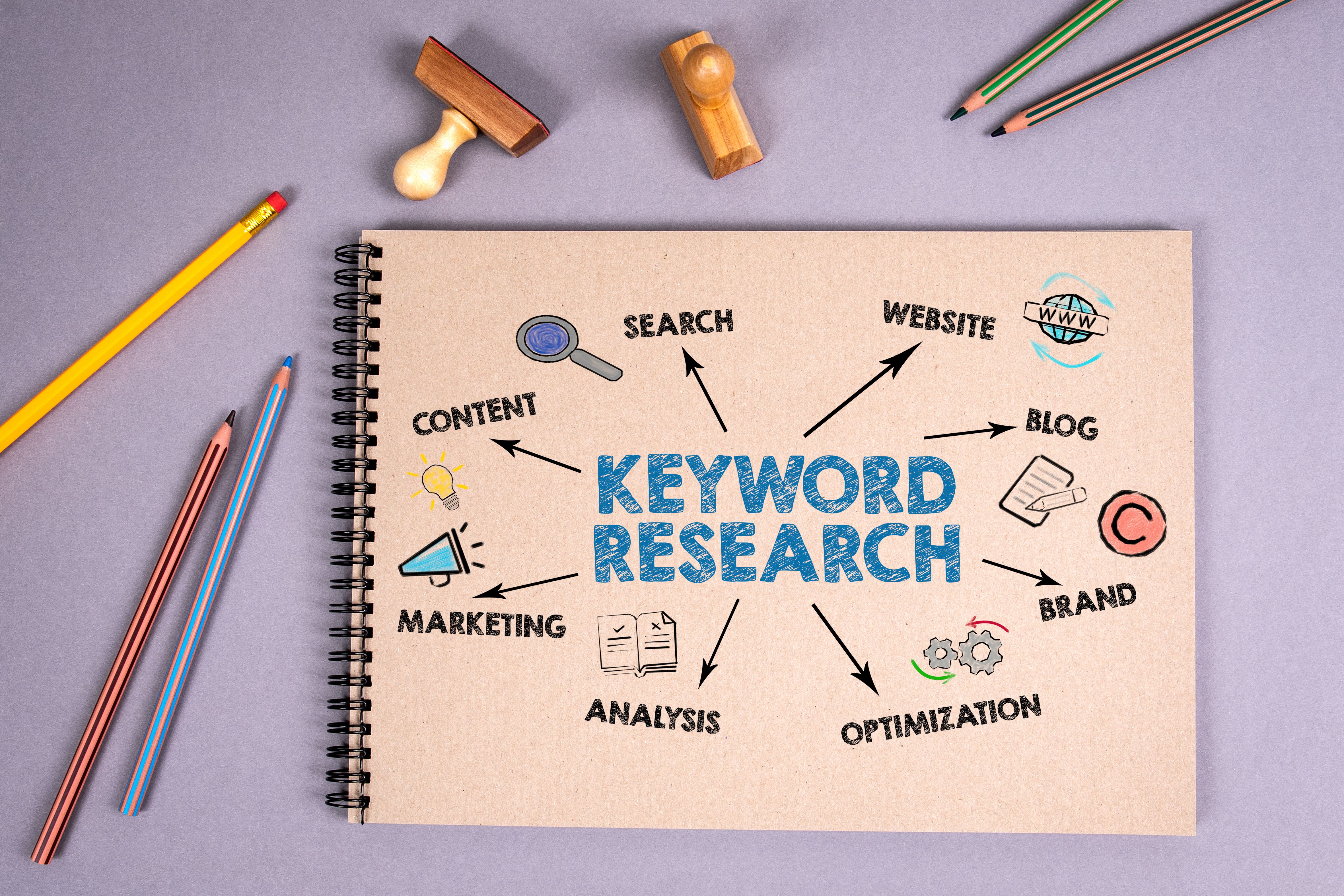
Keywords are the foundation of any PPC campaign. Begin by brainstorming a list of relevant keywords that potential customers might use to find your products or services. Utilize tools like Google Keyword Planner to expand and refine your list, focusing on high-intent keywords that signal readiness to purchase.
Creating Compelling Ad Copy
Your ad copy is the first impression potential customers have of your business. It’s crucial to create copy that is not only engaging but also clearly communicates the value of your offering. Include a strong call-to-action (CTA) to encourage clicks, and ensure your ad aligns with the content on your landing page.
Remember to experiment with different headlines and descriptions to see what resonates best with your audience. A/B testing is a valuable strategy to continuously refine your ads.
Optimizing Landing Pages
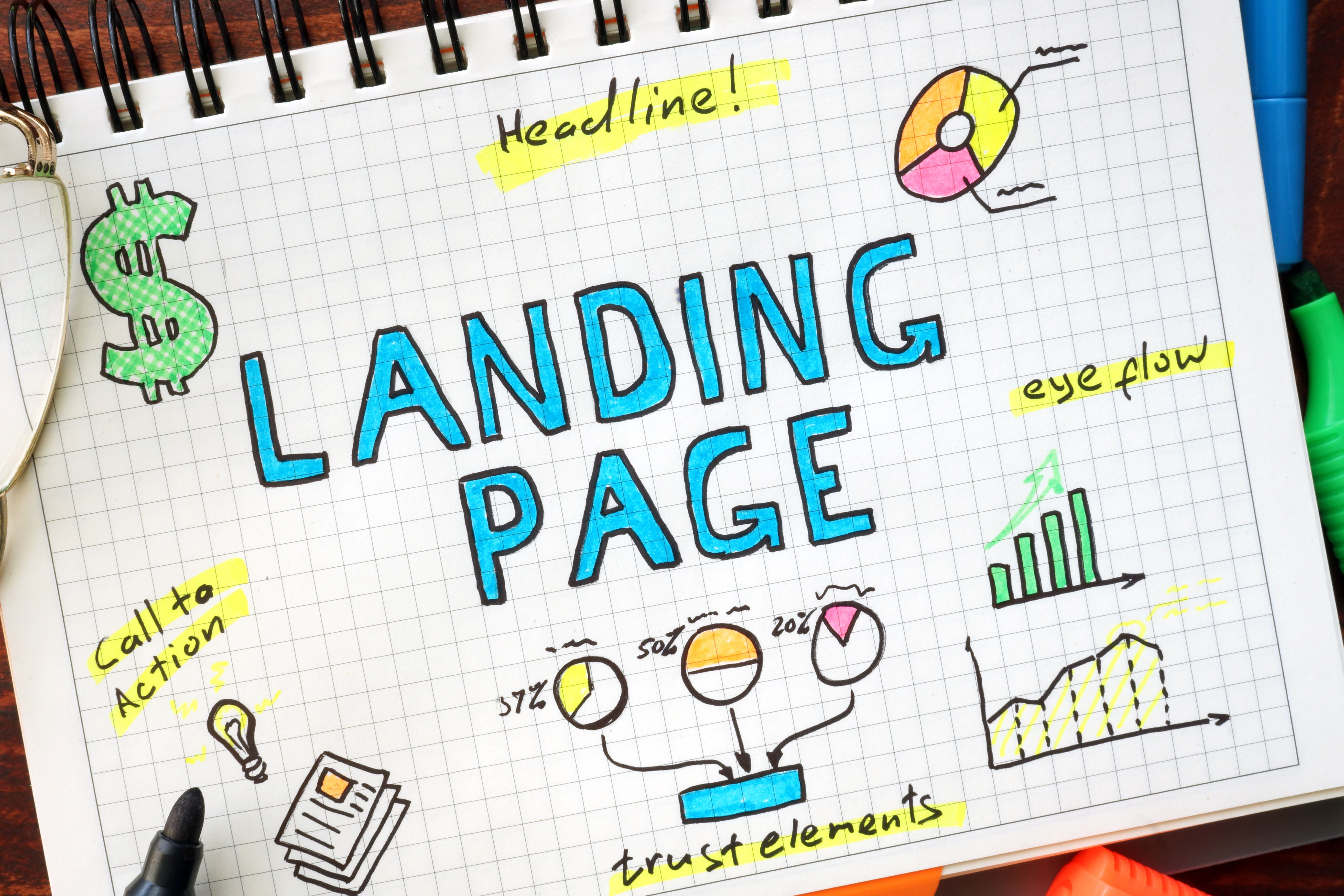
Once a user clicks on your ad, they should be directed to a landing page that delivers on the promise of the ad. The landing page should be clean, visually appealing, and focused on a single conversion goal. Incorporate elements like trust signals, clear CTAs, and concise copy to enhance user experience and conversion rates.
Managing and Monitoring Campaigns
Effective PPC management involves continuous monitoring and adjustments. Analyze key metrics such as click-through rates (CTR), conversion rates, and cost-per-conversion to assess performance. Utilize these insights to tweak your campaigns for improved results.
Don’t hesitate to pause underperforming keywords or ads, and allocate more budget to strategies that yield high returns. Regularly reviewing and updating your campaigns keeps them aligned with your business goals.
Leveraging Advanced Strategies
Once you have a solid grasp of PPC basics, consider exploring advanced strategies like remarketing, geo-targeting, and ad scheduling. These techniques allow you to target specific segments of your audience more effectively, enhancing the overall impact of your PPC efforts.

Mastering PPC advertising is an ongoing process that demands attention to detail and adaptability. By consistently refining your approach and staying informed about industry trends, you can harness the full potential of PPC to drive business growth and achieve your marketing objectives.
Leave a Reply