Understanding Digital Marketing Analytics
In today’s fast-paced digital landscape, mastering digital marketing requires a deep understanding of analytics and reporting. These tools are crucial for making informed decisions and driving successful campaigns. By leveraging analytics, businesses can gain insights into customer behavior, preferences, and trends, enabling them to tailor their strategies effectively.
Digital marketing analytics involves collecting, measuring, and analyzing data from various online platforms. This data helps marketers understand how their campaigns are performing and identify areas for improvement. The ultimate goal is to maximize return on investment (ROI) and achieve business objectives.
The Importance of Data-Driven Decisions
Data-driven decision-making is at the heart of successful digital marketing. By relying on analytics, marketers can move beyond guesswork and base their strategies on hard evidence. This approach not only enhances the effectiveness of marketing efforts but also optimizes budgets by focusing on what truly works.
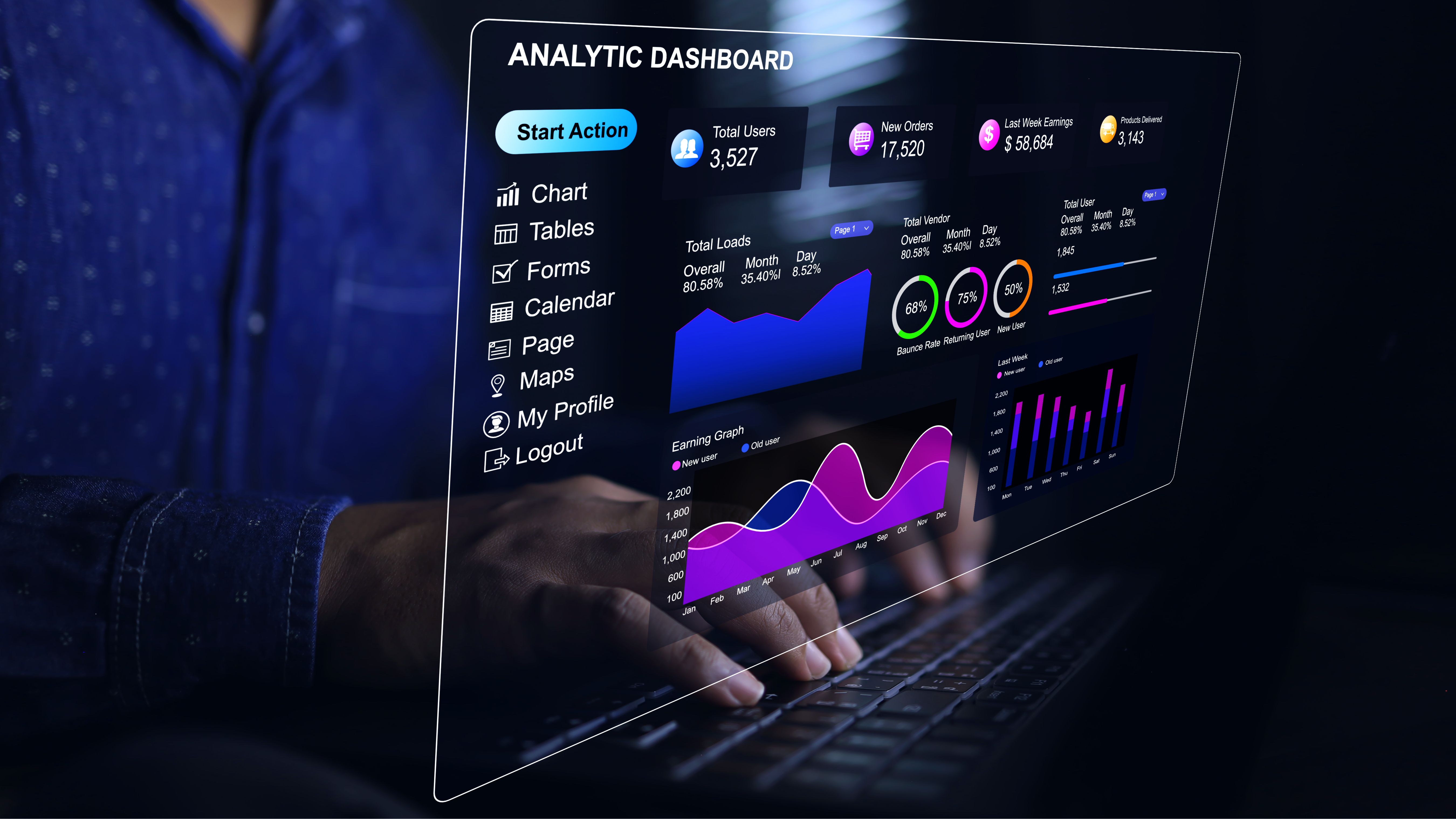
With the help of analytics, businesses can track key performance indicators (KPIs) such as conversion rates, click-through rates, and customer acquisition costs. These metrics provide valuable insights into campaign performance, allowing marketers to adjust their tactics in real-time.

Key Tools for Digital Marketing Analytics
There is a wide range of tools available for digital marketing analytics, each offering unique features and capabilities. Popular options include Google Analytics, Adobe Analytics, and HubSpot. These platforms provide detailed reports on website traffic, user behavior, and conversion paths.
Choosing the right tool depends on a business’s specific needs and goals. For instance, e-commerce companies may benefit from tools that offer advanced tracking of sales funnels and customer journeys. Meanwhile, content-driven businesses might prioritize platforms with robust content analysis features.

The Role of Reporting in Marketing Strategy
Reporting is an essential component of digital marketing analytics. Regular reports allow marketers to communicate insights and results to stakeholders, ensuring everyone is aligned with the campaign’s objectives. Effective reporting highlights successes, identifies challenges, and suggests actionable improvements.
When crafting reports, it’s important to focus on clarity and relevance. Use visual aids such as charts and graphs to illustrate data, making it easier for stakeholders to grasp complex information quickly. Tailor reports to the audience’s needs, whether they are executives, team members, or clients.
Integrating Analytics with Marketing Campaigns
Integrating analytics into marketing campaigns is key to achieving desired outcomes. By setting clear objectives and aligning analytics strategies with campaign goals, businesses can measure success more accurately. This alignment ensures that every marketing effort is data-informed and strategically sound.
Start by defining specific, measurable, achievable, relevant, and time-bound (SMART) goals. Use analytics to track progress towards these goals and make necessary adjustments along the way. This process not only improves campaign performance but also fosters a culture of continuous improvement within the organization.

Future Trends in Digital Marketing Analytics
The field of digital marketing analytics is constantly evolving, with new technologies and trends emerging regularly. Artificial intelligence (AI) and machine learning are set to revolutionize analytics by providing deeper insights and automating complex data processes.
Additionally, the rise of privacy regulations emphasizes the need for ethical data practices. Marketers must balance the demand for personalization with the responsibility of protecting consumer privacy, ensuring transparency and trust in their analytics efforts.
Leave a Reply