Author: admin

  • social media management

    social media management

    Understanding Your Audience

    The cornerstone of successful social media management is knowing your audience. It’s essential to gather data about your followers, such as demographics, interests, and online behavior. This information will allow you to tailor content that resonates with them, ensuring higher engagement rates.

    Using analytics tools, you can track which posts perform best and at what times. This insight helps refine your strategy to focus on content that your audience truly values. Engagement is key, and understanding what drives it is your first step toward mastering social media.

    Crafting Compelling Content

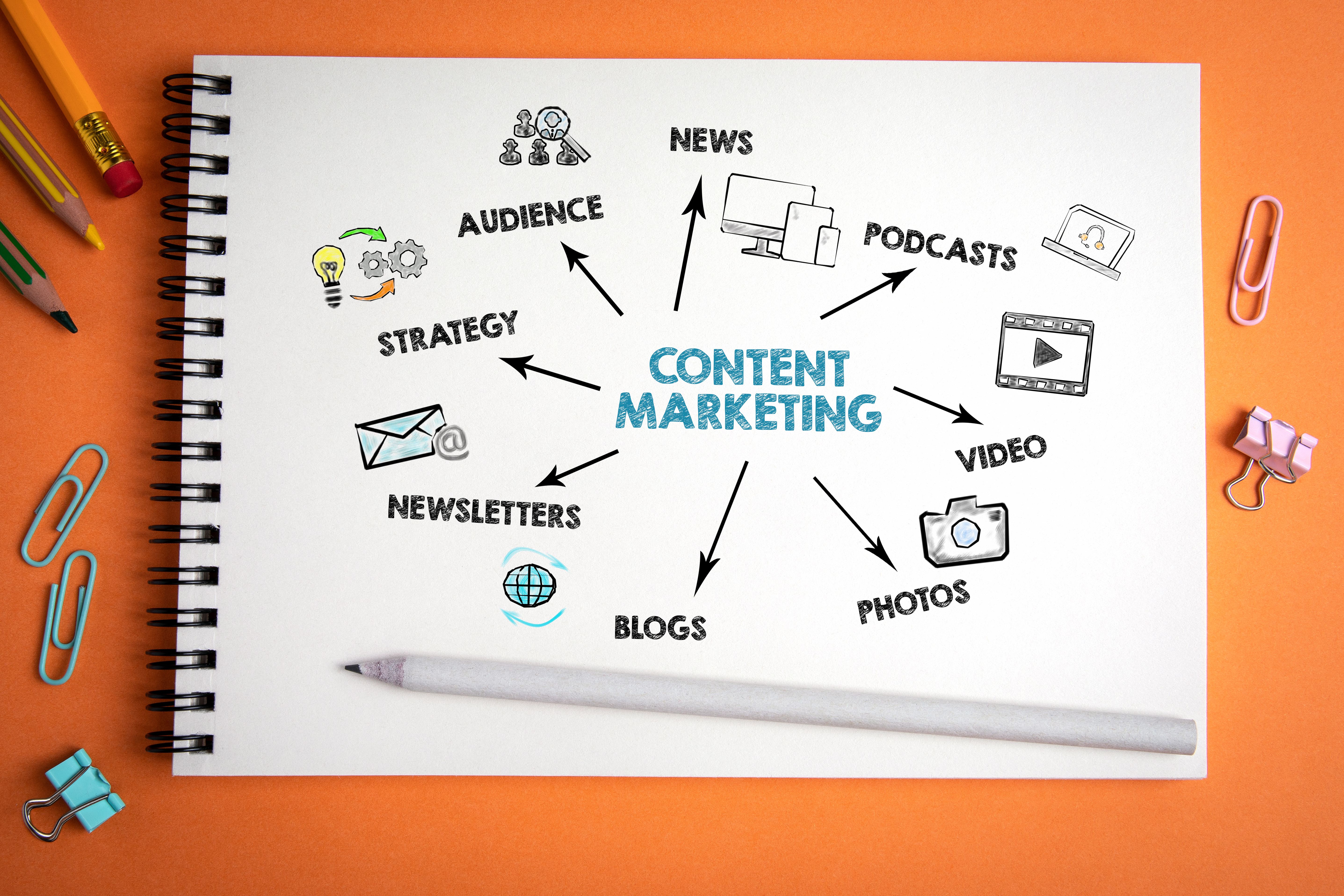
    The heart of social media marketing lies in crafting content that resonates with your audience. Content should be engaging, informative, and aligned with your brand’s voice. Use a mix of images, videos, and text to keep your content fresh and engaging.

    Developing a content calendar can be beneficial. It helps you plan posts in advance, ensuring consistency and relevance. Regularly analyze which types of content perform best and adjust your strategy accordingly.
    creative content

    Engaging with Your Audience

    Building a community requires genuine engagement with your audience. Respond to comments, share user-generated content, and participate in conversations. This interaction builds trust and fosters a sense of connection with your brand.

    Consider using polls, Q&A sessions, and live videos to engage your audience actively. These interactive elements can boost engagement rates and provide valuable insights into your audience’s preferences.

    audience engagement

    Utilizing Analytics for Improvement

    Analytics are essential for understanding what works and what doesn’t. Platforms like Facebook and Instagram offer built-in analytics tools that provide insights into post performance, audience demographics, and engagement trends.

    Regularly reviewing these metrics allows you to refine your strategy. Set clear objectives, track progress, and use data-driven insights to enhance your social media marketing efforts.

    analytics dashboard

    Leveraging Influencer Partnerships

    Partnering with influencers can amplify your brand’s reach. Influencers have established trust with their followers, providing an effective way to reach new audiences.

    Choose influencers whose values align with your brand. Collaborations should feel authentic and provide value to both the influencer’s audience and your brand.
    influencer marketing

    Adapting to Trends

    Social media trends evolve rapidly, and staying updated is crucial. Monitor industry news, follow thought leaders, and engage with trending hashtags to keep your strategy relevant.

    Experimenting with new features, such as Instagram Reels or TikTok challenges, can also provide fresh ways to connect with your audience. Adaptability is key to maintaining a competitive edge.

    trending topics

    Conclusion

    Mastering social media marketing involves a blend of understanding platforms, creating engaging content, and leveraging analytics. Consistent engagement and adaptability to trends are critical for building a strong online presence.

    By implementing these strategies, businesses can effectively harness the power of social media to achieve their marketing goals. Embrace the dynamic nature of social media to connect with your audience and drive success.

  • Pay per click

    pay per click

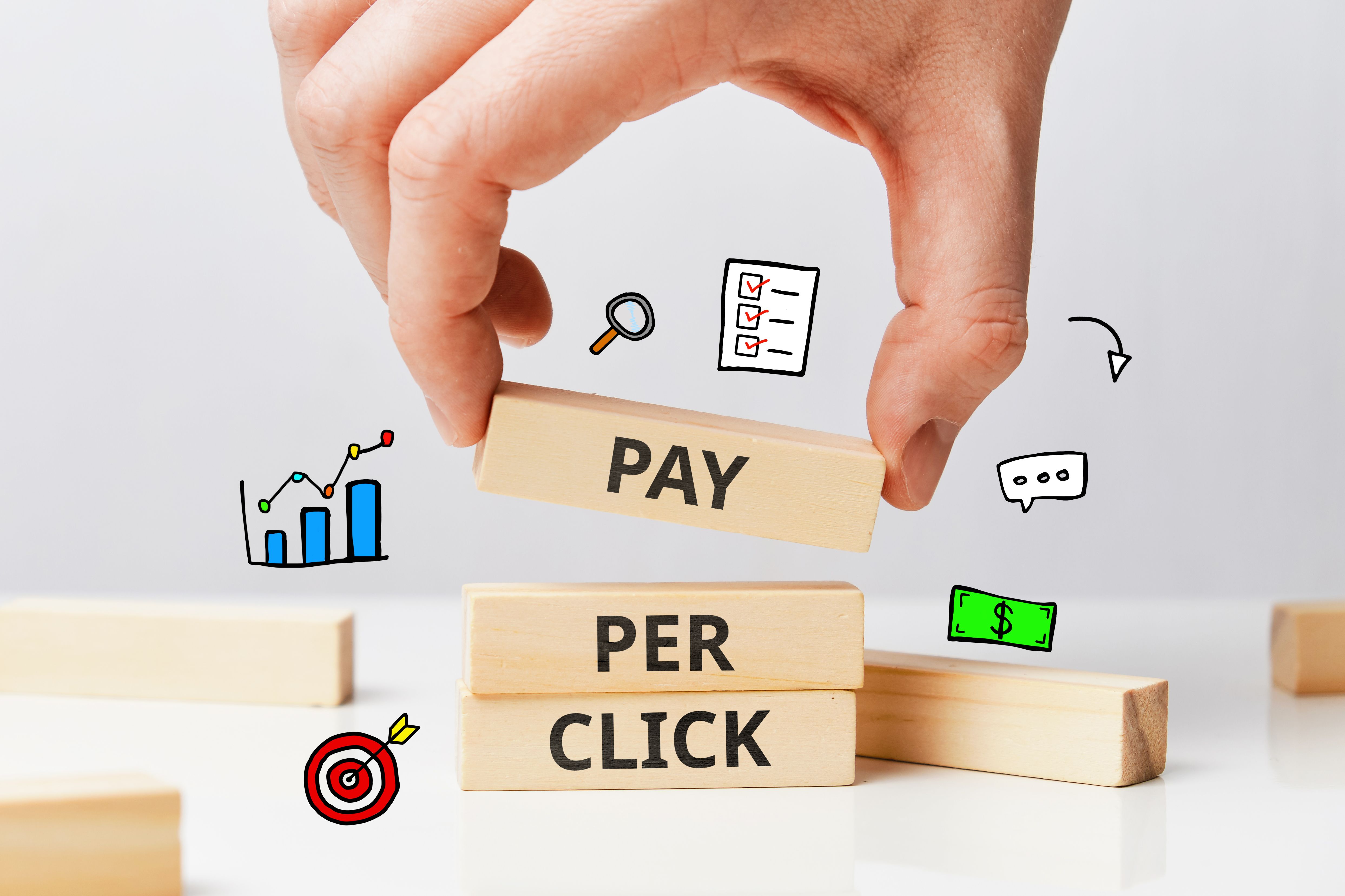
    In the digital marketing landscape, Pay Per Click (PPC) advertising stands out as a powerful tool to drive traffic and generate leads. Mastering PPC requires strategic planning, ongoing optimization, and a keen understanding of your target audience.

    ppc advertising

    Understanding the Basics of PPC

    PPC is an online advertising model where advertisers pay a fee each time their ad is clicked. It’s a way of buying visits to your site, rather than attempting to earn those visits organically. The most popular PPC platform is Google Ads, but options like Bing Ads and social media platforms also offer avenues for PPC campaigns.

    A successful PPC campaign revolves around selecting the right keywords, crafting compelling ad copy, and designing landing pages that convert. It’s about placing your ads in front of the right audience at the right time.

    Keyword Research and Selection

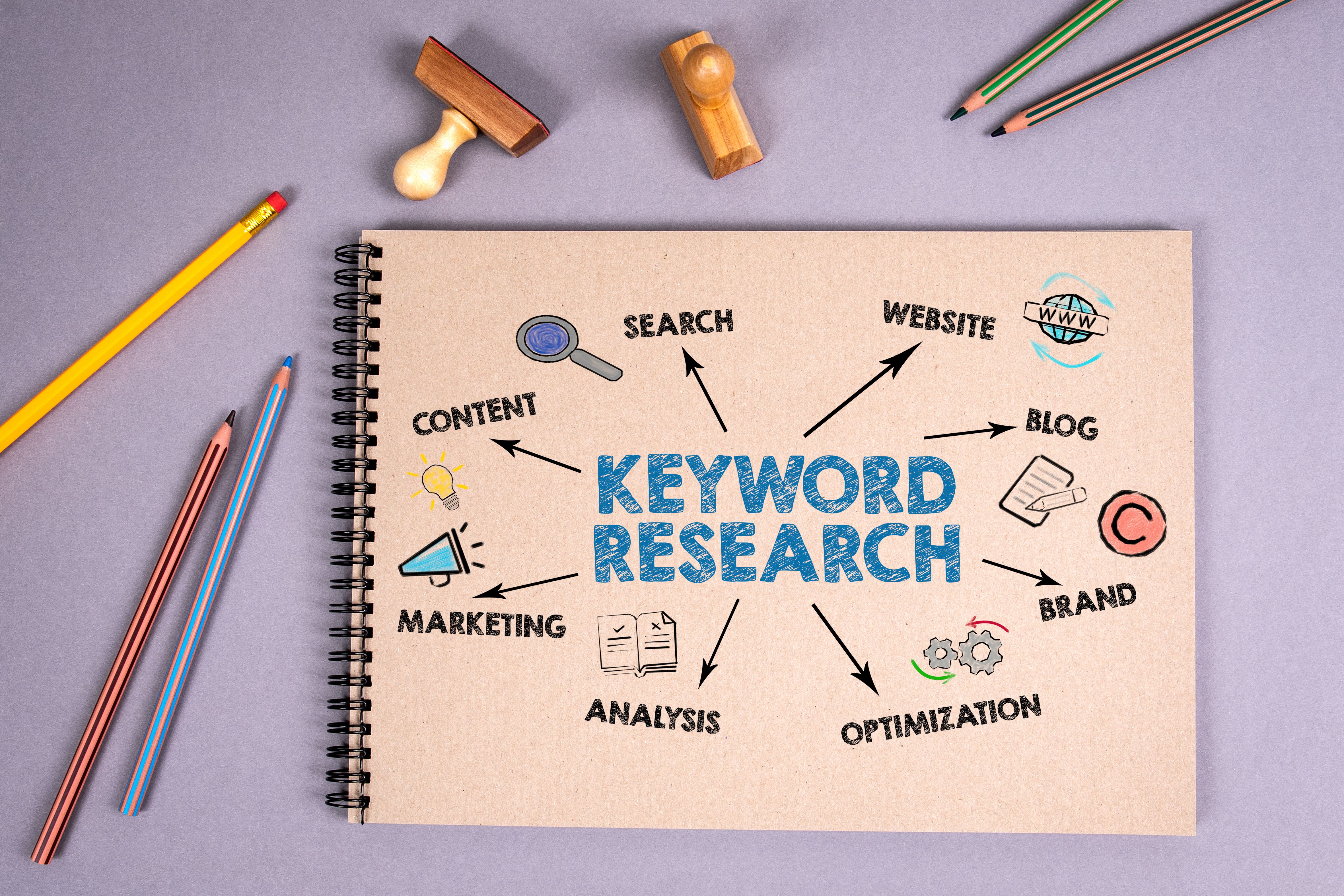
    Keywords are the foundation of any PPC campaign. Begin by brainstorming a list of relevant keywords that potential customers might use to find your products or services. Utilize tools like Google Keyword Planner to expand and refine your list, focusing on high-intent keywords that signal readiness to purchase.

    keyword research

    Creating Compelling Ad Copy

    Your ad copy is the first impression potential customers have of your business. It’s crucial to create copy that is not only engaging but also clearly communicates the value of your offering. Include a strong call-to-action (CTA) to encourage clicks, and ensure your ad aligns with the content on your landing page.

    Remember to experiment with different headlines and descriptions to see what resonates best with your audience. A/B testing is a valuable strategy to continuously refine your ads.

    Optimizing Landing Pages

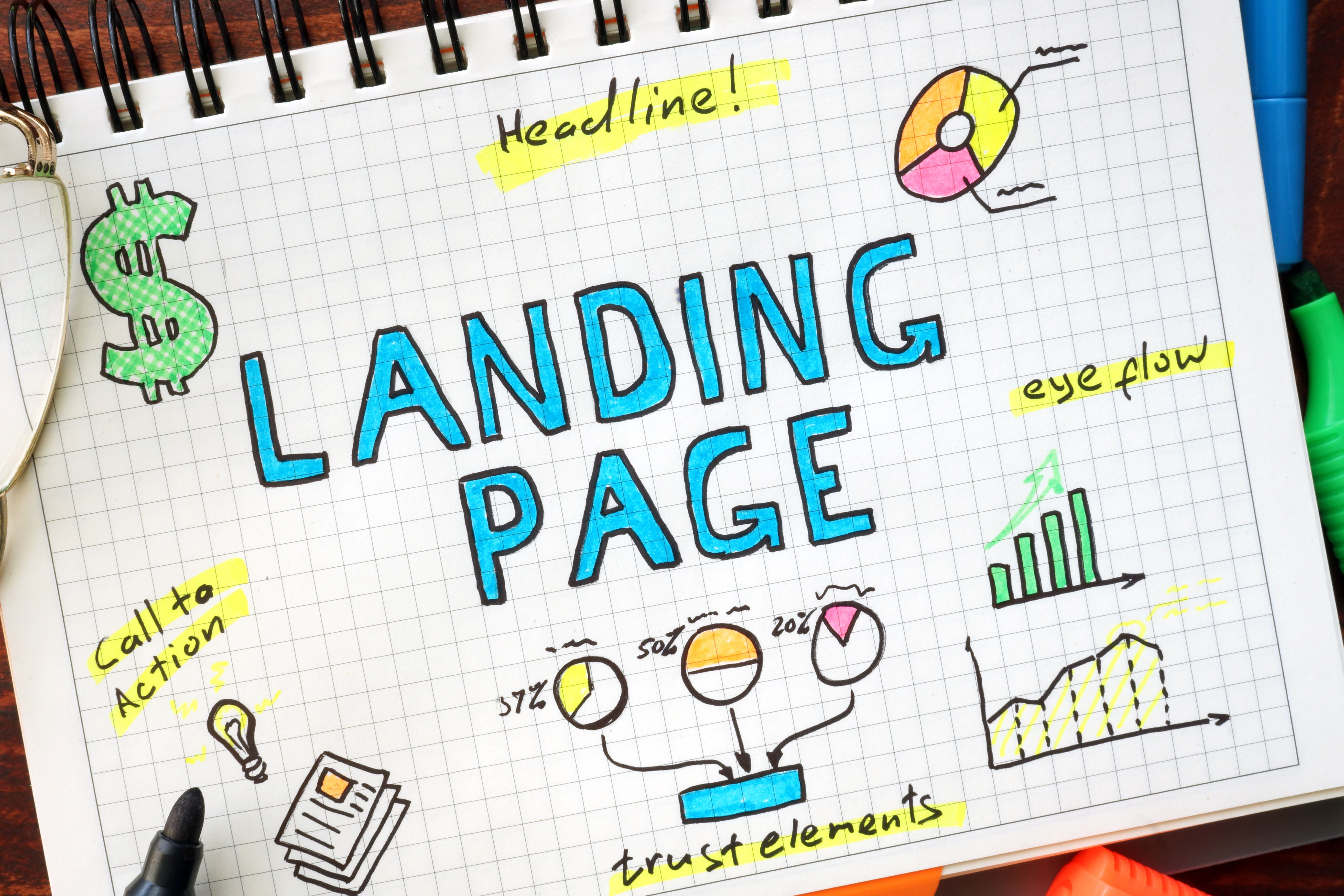
    Once a user clicks on your ad, they should be directed to a landing page that delivers on the promise of the ad. The landing page should be clean, visually appealing, and focused on a single conversion goal. Incorporate elements like trust signals, clear CTAs, and concise copy to enhance user experience and conversion rates.

    landing page design

    Managing and Monitoring Campaigns

    Effective PPC management involves continuous monitoring and adjustments. Analyze key metrics such as click-through rates (CTR), conversion rates, and cost-per-conversion to assess performance. Utilize these insights to tweak your campaigns for improved results.

    Don’t hesitate to pause underperforming keywords or ads, and allocate more budget to strategies that yield high returns. Regularly reviewing and updating your campaigns keeps them aligned with your business goals.

    Leveraging Advanced Strategies

    Once you have a solid grasp of PPC basics, consider exploring advanced strategies like remarketing, geo-targeting, and ad scheduling. These techniques allow you to target specific segments of your audience more effectively, enhancing the overall impact of your PPC efforts.

    ppc strategy

    Mastering PPC advertising is an ongoing process that demands attention to detail and adaptability. By consistently refining your approach and staying informed about industry trends, you can harness the full potential of PPC to drive business growth and achieve your marketing objectives.

  • Benefits of Digital Marketing

    In today’s fast-paced digital world, businesses need to adapt to stay competitive. One of the most effective ways to achieve this is by leveraging the power of digital marketing. This approach offers numerous benefits that can help businesses thrive in an ever-evolving marketplace.

    Cost-Effective Marketing Solutions

    One of the most significant advantages of digital marketing is its cost-effectiveness. Traditional marketing methods, such as print and television ads, can be expensive and often out of reach for small businesses. In contrast, digital marketing offers a range of affordable options that deliver impressive results.

    With platforms like social media and email marketing, businesses can reach a wider audience without breaking the bank. Additionally, digital marketing allows for better budget management and the ability to target specific audiences more precisely.

    online marketing

    Enhanced Engagement and Interaction

    Digital marketing provides businesses with the tools to engage with their audience in real time. Social media platforms, for instance, enable companies to interact directly with customers, fostering a sense of community and trust. This level of engagement can lead to increased customer loyalty and long-term business relationships.

    Moreover, digital marketing allows businesses to gather valuable feedback from their audience, enabling them to improve products and services continually. This interactive nature of digital marketing ensures that companies stay connected with their customers and adapt to their needs.

    Measurable Results and Analytics

    One of the most compelling benefits of digital marketing is the ability to measure success accurately. With tools like Google Analytics, businesses can track the performance of their campaigns in real time. This data-driven approach allows companies to make informed decisions and optimize their strategies for better results.

    Analytics provide insights into customer behavior, preferences, and conversion rates, enabling businesses to refine their marketing efforts continuously. This level of transparency ensures that marketing strategies are effective and aligned with business goals.

    data analytics

    Global Reach and Accessibility

    Unlike traditional marketing methods, digital marketing offers businesses the opportunity to reach a global audience. With the internet’s vast reach, companies can expand their market beyond geographical limitations, opening up new opportunities for growth and expansion.

    Furthermore, digital marketing is accessible to businesses of all sizes. Whether you’re a small startup or a large corporation, digital marketing provides the tools and platforms needed to compete on a global scale, leveling the playing field for everyone.

    Personalization and Targeting

    Digital marketing allows businesses to tailor their messages and campaigns to specific audiences. Through advanced targeting options, companies can deliver personalized content that resonates with different customer segments. This level of personalization enhances the customer experience and increases the likelihood of conversion.

    By utilizing data and analytics, businesses can understand their audience’s preferences and behaviors, enabling them to create targeted campaigns that drive results. Personalization is key to building strong customer relationships and achieving long-term success.

    personalization marketing

    In conclusion, digital marketing offers a myriad of benefits that can help businesses succeed in today’s competitive landscape. From cost-effective solutions and enhanced engagement to measurable results and global reach, digital marketing is an essential tool for any modern business looking to grow and thrive.

  • Digital Marketing and How It Is Beneficial for Small Businesses

    digital marketer

    What Is Digital Marketing?

    Digital marketing includes all marketing efforts that use the internet or electronic devices. This covers a wide range of channels, such as:

    • Social media (Facebook, Instagram, LinkedIn, TikTok)

    • Search engines (Google, Bing)

    • Email marketing

    • Websites and blogs

    • Online advertising (Google Ads, Meta Ads)

    • Content marketing (articles, videos, graphics)

    Unlike traditional marketing, digital marketing allows small businesses to target customers precisely, measure performance instantly, and optimize campaigns in real time.

    Why Digital Marketing Is a Game-Changer for Small Businesses

    1. Cost-Effective and Budget-Friendly

    Small businesses often operate with limited marketing budgets. Digital marketing provides affordable options—such as social media posts, email campaigns, and SEO—that can generate impressive results without heavy investment. Even paid ads let you set daily or total budgets, making spending fully controllable.

    2. Allows You to Compete with Bigger Brands

    Thanks to targeting tools, engaging content, and smart strategies, small businesses can appear right beside big companies on Google and social media. With creativity and consistency, local businesses can build strong brand recognition even in competitive industries.

    3. Helps Reach Your Target Audience Easily

    Digital platforms allow businesses to reach people based on:

    • Age

    • Location

    • Interests

    • Behavior

    • Online activity

    Instead of marketing to everyone, small businesses can focus on those most likely to become customers.

    4. Measurable and Trackable Results

    Traditional marketing—like flyers or billboards—makes it hard to know what’s working.
    Digital marketing provides clear insights, including:

    • Website traffic

    • Conversion rates

    • Email open rates

    • Social media engagement

    • Return on investment (ROI)

    This data helps business owners make smarter decisions and improve campaigns.

    5. Builds Strong Customer Relationships

    Digital marketing enables small businesses to connect with their audience regularly. Whether through social media posts, personalized emails, or helpful blogs, businesses can build trust and long-term loyalty.

    6. Increases Local Visibility

    Local SEO and Google Business Profile listings allow small businesses to show up when customers search for nearby services. For example, searches like “best bakery near me” or “plumber in [city]” can drive immediate foot traffic and leads.

    7. Enhances Brand Awareness and Credibility

    A strong online presence—consistent posts, positive reviews, and helpful content—helps customers see the business as trustworthy and professional. In today’s world, consumers often research a company online before buying. A solid digital footprint can make or break a sale.

    8. Supports Long-Term Growth

    Digital marketing is not just about quick results—it builds the foundation for long-term success. SEO, content marketing, email lists, and social media communities continue to generate value even months or years after initial efforts.

  • Hello world!

    Welcome to WordPress. This is your first post. Edit or delete it, then start writing!